Source Anti Uv Modern Baseball Display Case for Retail, Home, and Office
Find 30 anti uv modern baseball display case options from verified suppliers. Compare acrylic materials, custom sizes, and OEM services to select the ideal holder for retail, home, or office environments; compare the available evidence and request quotations based on your requirements.
Key considerations
Products List


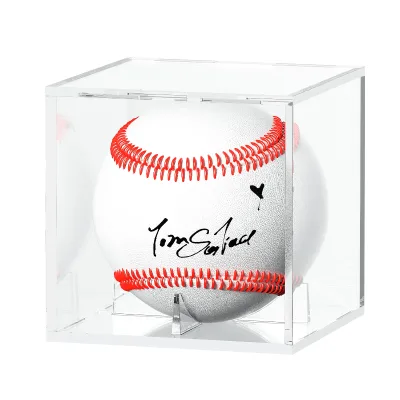
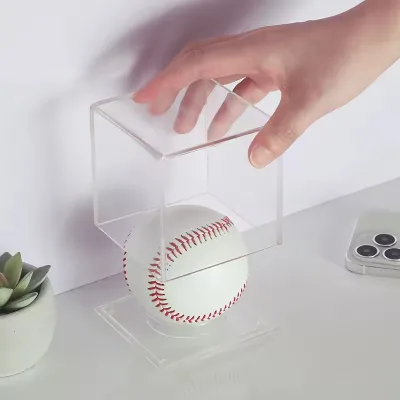


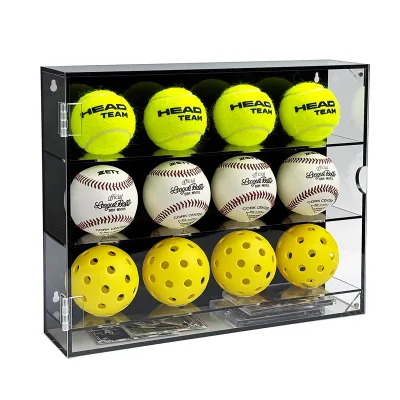


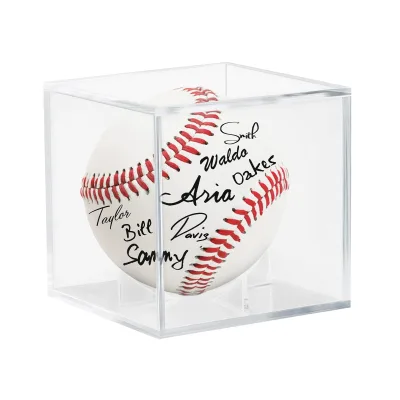
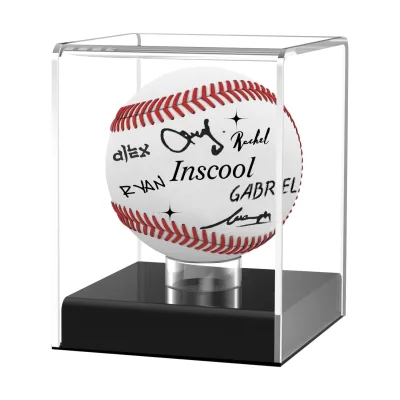


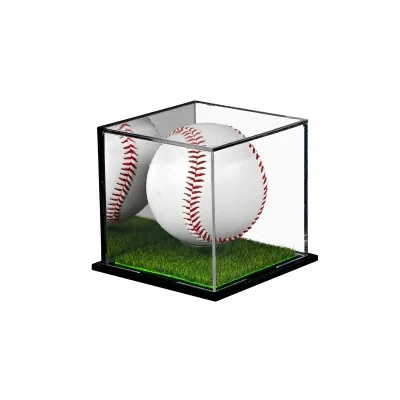
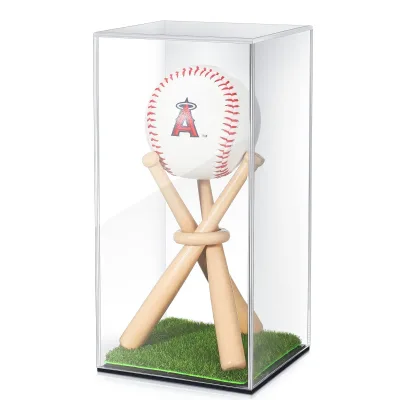
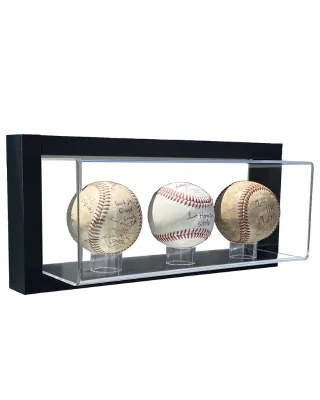
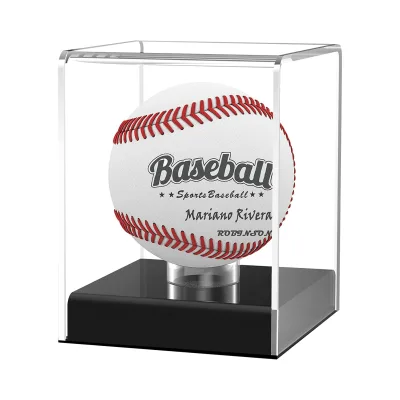
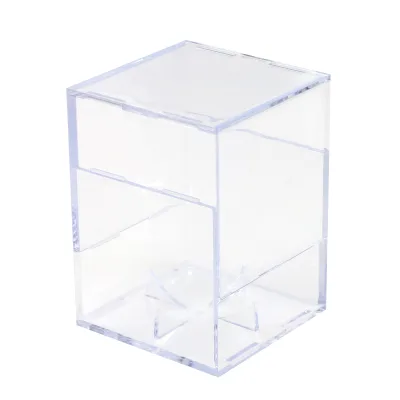
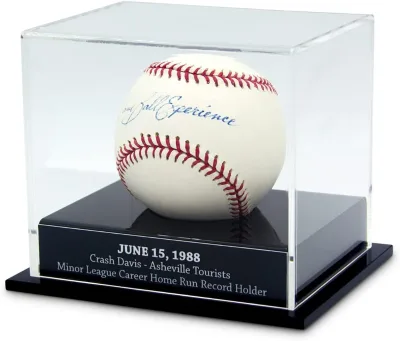

Comprehensive Sourcing Guide
Anti UV Modern Baseball Display Case Sourcing Guide
Procuring an anti-UV modern baseball display case requires careful selection of materials that balance optical clarity with long-term protection against light degradation. The observed market data indicates that high-quality acrylic and Lucite crystal plexiglass are the primary materials used for these units, offering a modern aesthetic suitable for both indoor and outdoor environments. Buyers must verify that the specific product listing explicitly confirms UV-resistant properties, as standard acrylic may yellow or become brittle over time without proper additives or coatings.
When evaluating potential listings, focus on the structural integrity and finish of the display case to ensure it meets the rigorous demands of showcasing valuable baseball memorabilia. The available data suggests that these units often feature injection molding techniques with polished surfaces, which enhance durability and visual appeal. It is critical to confirm that the "anti-UV" claim is supported by the manufacturer's technical specifications rather than being a generic marketing term, ensuring the display case will maintain its clarity and structural strength throughout its intended lifespan.
Product Scope and Observed Listing Signals
The current market for baseball display cases presents a diverse range of options, from simple square units to complex modular subracks designed for garment or card displays. Observed listings reveal that products often carry specific model numbers like XYR-051 or XYR-061, indicating a standardized production line that may offer consistent quality across different batches. Buyers should note that while some units are designed specifically for holding baseballs, others are multifunctional and can accommodate magnetic cards or other display goods, requiring a clear definition of the intended use before purchase.
Customization is a significant signal in this category, with many suppliers offering OEM and ODM services to tailor the display case to specific branding needs. The availability of free samples allows buyers to physically inspect the material quality and finish before committing to a larger order. However, the variation in packing standards, ranging from single-piece packs to bulk box configurations, necessitates a clear agreement on logistics to prevent damage during transit. Understanding these scope differences ensures the selected product aligns perfectly with the buyer's specific display requirements and logistical capabilities.
Technical Specifications to Verify
Dimensional accuracy is paramount when selecting a display case, as even minor deviations can affect the fit and stability of the displayed items. The observed data highlights a common specification of 8x8x8cm with a dimensional tolerance of less than ±1mm, which suggests a high level of precision in the manufacturing process. Buyers must verify that the thickness of the acrylic, typically ranging from 3mm to 5mm, is sufficient to support the weight of the baseball or other items without flexing or cracking under load.
Material hardness and surface treatment are equally critical technical factors that determine the longevity and appearance of the display case. The listings indicate a "partial hard" finish and polished surfaces, which contribute to the overall durability and resistance to scratches. It is essential to confirm that the material used is indeed high-quality acrylic or Lucite, as these materials offer superior optical clarity compared to standard plastics. Additionally, verifying the load capacity, which is observed to be up to 5kg, ensures the unit can safely support the intended merchandise without structural failure.
Compliance and Safety Documentation
While the provided data does not explicitly list specific safety certifications, buyers must request documentation proving that the acrylic materials meet relevant safety standards for indoor and outdoor use. In the context of modern display cases, compliance often involves verifying that the materials are free from harmful substances and are suitable for the intended environment, whether it be a retail store or a private home. The "sustainable" attribute mentioned in some listings suggests an opportunity to inquire about the environmental impact of the production process and the recyclability of the acrylic components.
Safety documentation should also address the installation and assembly requirements to ensure the display case can be set up without risk of injury or damage. The observed "easy assembly" and "freestanding" features imply that the design minimizes the need for complex tools or structural modifications, but buyers should still verify that the instructions are clear and that the unit is stable when fully loaded. Requesting a material safety data sheet (MSDS) or similar documentation can provide assurance that the product meets general safety expectations and does not pose a hazard during handling or use.
Cost Drivers and Commercial Terms
The price range observed in the market, spanning from $0.48 to $23.50, reflects significant variations in material quality, size, and customization levels. Higher-priced units likely incorporate advanced UV protection features, thicker acrylic, or more complex designs that require additional manufacturing steps. Buyers should analyze the cost drivers carefully, understanding that the "customized logo" and "OEM/ODM" services often add to the base price but provide essential branding value for commercial applications.
Commercial terms such as minimum order quantity (MOQ) and lead times are critical factors that influence the overall procurement strategy. The observed MOQ range of 10 to 2000 units suggests flexibility for both small-scale buyers and large distributors, but the specific terms will vary by supplier. It is advisable to negotiate clear terms regarding free samples, which are currently available, and to establish a detailed timeline for production and delivery to avoid disruptions in the supply chain. Understanding these commercial dynamics helps in budgeting effectively and managing inventory levels.
Supplier Qualification and Quality Control
Selecting a qualified supplier is essential to ensure consistent quality and reliable service, particularly when dealing with customized display cases. The data indicates that suppliers are located in Zhejiang, China, a region known for its manufacturing capabilities, but buyers should verify the supplier's specific experience with acrylic products and their ability to meet the "anti-UV" requirements. Checking for a history of successful OEM projects and the availability of detailed product specifications can help assess the supplier's technical competence and reliability.
Quality control processes should be a primary focus during the supplier evaluation phase, with an emphasis on verifying the consistency of material thickness and surface finish. The observed weight tolerance of less than ±1% and dimensional tolerance of less than ±1mm indicate a high standard of precision that should be maintained throughout the production run. Buyers should request quality control reports or inspection certificates to confirm that the finished products meet the agreed-upon specifications before shipment, ensuring that the final display cases are free from defects and ready for immediate use.
Long-Term Procurement Checks
Establishing a long-term procurement strategy involves regular monitoring of product performance and supplier reliability to ensure continued satisfaction. Buyers should implement a system for tracking the durability of the display cases over time, specifically looking for signs of UV degradation, yellowing, or structural weakness that might indicate a failure in the material quality. Regular feedback loops with the supplier can help identify any recurring issues and facilitate continuous improvement in the product design and manufacturing process.
It is also important to maintain open communication regarding changes in market trends and material availability to adapt the procurement strategy accordingly. The "sustainable" and "modern" attributes of the products suggest that buyers should stay informed about evolving environmental standards and design preferences that could impact future orders. By proactively managing these relationships and monitoring product performance, buyers can ensure a steady supply of high-quality display cases that meet their evolving business needs and maintain the integrity of their brand presentation.
FAQs
What materials are used in these anti uv modern baseball display cases?
These display cases are made from acrylic, also described as acrylic lucite crystal plexiglass, with some models using high quality acrylic. Acrylic offers clear visibility for showcasing baseballs while remaining lightweight. Injection molding and polished surface treatment are listed production details. Thickness typically ranges from 3 to 5mm, giving the case enough rigidity to hold a displayed ball securely.
What size are the standard baseball display cases listed on this page?
The listed specification is 8 by 8 by 8 centimeters, which fits a standard baseball with clearance for easy placement. Dimensional tolerance is under plus or minus 1 millimeter, so sizing stays consistent across units. If you need a different size for memorabilia such as bats, customization is available and suppliers accept OEM and ODM requests for adjusted dimensions.
Can I order customized logos or packaging for the baseball display cases?
Yes, customized logos are acceptable, and OEM and ODM customized service is accepted across the listed products. Packing is typically 1 piece per pack, with some listings noting 100 packs per box for bulk handling. When requesting customization, confirm logo placement, printing method, and packing configuration with the supplier, since free samples are offered to review quality before committing to a full order.
How many units do I need to order at minimum for these display cases?
Minimum order quantities among the listed products range from 10 to 2000 units depending on the model and customization level. Simple stock cases usually sit at the lower end, while customized logo or OEM orders often require higher volumes. Request free samples first to evaluate the acrylic quality, then confirm the exact MOQ that applies to your chosen specification and branding requirements.
Which factors should I check when comparing acrylic baseball display case suppliers?
Compare material quality, thickness between 3 and 5 millimeters, dimensional tolerance, and whether the supplier accepts OEM and ODM customization. Review packing arrangements, such as 1 piece per pack, sample availability, and load capacity, which is listed at up to 5 kilograms on some models. Also confirm the place of origin, since several listed products are made in Zhejiang, China, affecting logistics and lead times.
Can these display cases be used for items other than baseballs?
Yes, the design is multifunctional. While the primary use is holder displays for baseballs, some models are specified for magnetic cards and related display applications. The square, clear acrylic construction with freestanding vertical orientation suits small collectibles generally. Recommended uses include home decor, indoor and outdoor display, storage, and decorative purposes, so confirm suitability for your specific item dimensions before ordering.